ASX: COI - Comet Ridge
Updated: Aug 28
Comet Ridge Ltd: New cheap and cheerful gas supply to fix east coast crises
Comet Ridge Managing Director Tor McCaul on 6PR, 3AW, 2GB & 4BC Bulls N' Bears Report
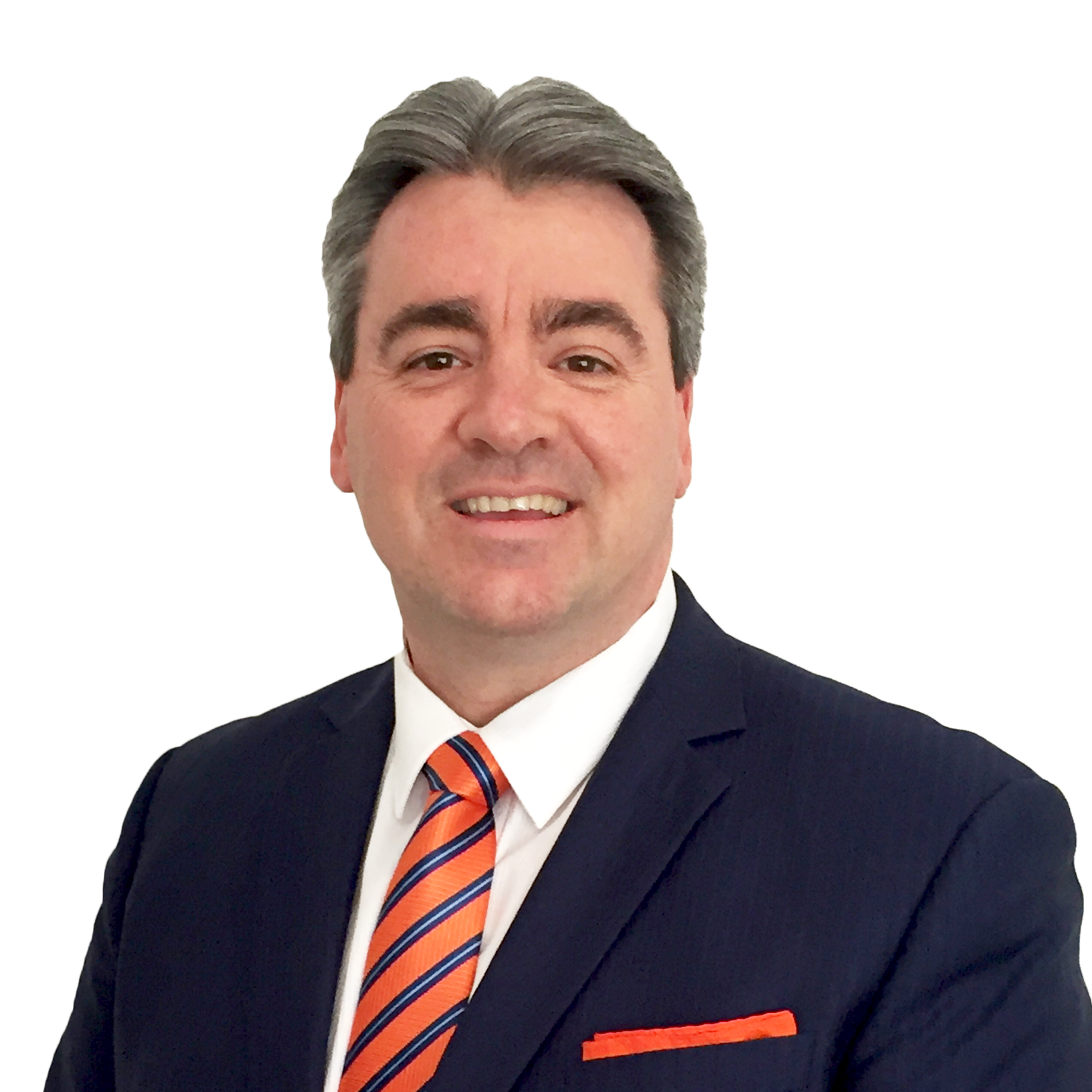
ASX-listed Comet Ridge Limited Managing Director Tor McCaul talks to Matt Birney on Bulls N’ Bears about the company’s now 100% owned coal seam gas play in QLD and its deal with Santos.

TO LISTEN TO THE COMET RIDGE AUDIO INTERVIEW - CLICK BELOW
Comet Ridge has assembled the Mahalo coal seam gas hub near Gladstone in Queensland, where shallow low CO2 gas sits close to major East Coast pipelines and domestic and LNG buyers. It already controlled Mahalo North, East and Far East, but a joint venture partner remained inside the core development. That road block is now gone with Comet Ridge completing the purchase of Santos's stake and taking full ownership and operatorship of the entire hub.
RADIO INTERVIEW - TRANSCRIPT
Matt Birney - Welcome to Bulls N' Bears, brought to you today by coal seam gas developer Comet Ridge Limited
Matt Birney - ASX code: COI.
Matt Birney - I'm Matt Birney, and I'm joined now by the Managing Director of Comet Ridge, Tor McCaul.
Matt Birney - Hi Tor.
Tor McCaul - Hi Matt.
Matt Birney - So Comet Ridge has assembled the Mahalo coal seam gas hub near Gladstone in Queensland, where shallow low CO2 gas sits close to major East Coast pipelines and domestic and LNG buyers. It already controlled Mahalo North, East and Far East, but a joint venture partner remained inside the core development. That road block is now gone with Comet Ridge completing the purchase of Santos's stake and taking full ownership and operatorship of the entire hub.
Matt Birney - Santos is still involved though, I might say, in this project after taking both Comet Ridge shares and cash to sell. What percentage of the project did they own and sell to you? How much of your company does Santos own now? And how much cash did you pay?
Tor McCaul - Santos was 43% of the project. We were 57, and as part of this transaction, we paid them in total about $26 million, and we've got three $10 million trailing payments tied to production when we're up and running. And also, they've got almost 5% of the company as well.
Matt Birney - Now, the joint venture fence is gone, so how big is your paddock? And how much certified gas sits inside it? Give me the higher confidence 2P reserves versus 2C contingent resources.
Tor McCaul - Our 2P has jumped up to 361 petajoules. If you include the 2C, that goes to 676. So we've got quite a volume of gas to develop. And also with this deal, we've got four northern blocks on top of this block. So we now develop it as one big combined field. We don't have to worry about block boundaries or we can actually just purely focus on the geology and optimize the whole development for CapEx based around the geology.
Matt Birney - The East Coast is screaming for gas, but obviously the big question is, how are you going to get it there? What's the plan?
Tor McCaul - We've got a pipeline company in the tent with us called Jemena. They're the second biggest pipeline on the East Coast. They've been great to work with. They've done a front-end engineering design study with us, and the intention here is they'll go on and build the pipeline for us about 80 km. It ties us into their network for the domestic market, 6 km from that, it ties us into the GLNG pipeline to take gas to Gladstone for LNG, and we'll pay a tariff for that, so we take that off our balance sheet, have them as a project partner, and we're excited to be working with them and have them in the tent if you like.
Matt Birney - Put this project in perspective for me. How does it compare against some of the big name onshore gas basins in Australia like say the Beetaloo or the Taroom Trough?
Tor McCaul - They're all a little bit different. We like to think we're cheap and cheerful because we're chasing coal seams down to about 250 or 300 meters, so we've got a pretty low well cost. Taroom Trough is sandstone, Beetaloo Basin is shale. Some of those wells go to 2,000, 3,000, 4,000 meters, and they also do big hydraulic fracture simulation jobs. So they're pumping quite a lot of sand. So we're happy to just drill simple horizontal wells, keep the cost down and that'll help the total project CapEx.
Matt Birney - Tor McCaul from Comet Ridge.
Matt Birney - Thanks for joining me on Bulls N' Bears and remember, we're only here to give you information, not advice, which you should of course seek independently.
Matt Birney - I'm Matt Birney and this is Bulls N' Bears.
Outro - For more public company CEO interviews, go to the money page on the 6PR, 2GB, 4BC and 3AW websites and click the Public Companies tab.


