St George Mining hits monster 207m total rare earths intercept in Brazil

Updated: Jul 30
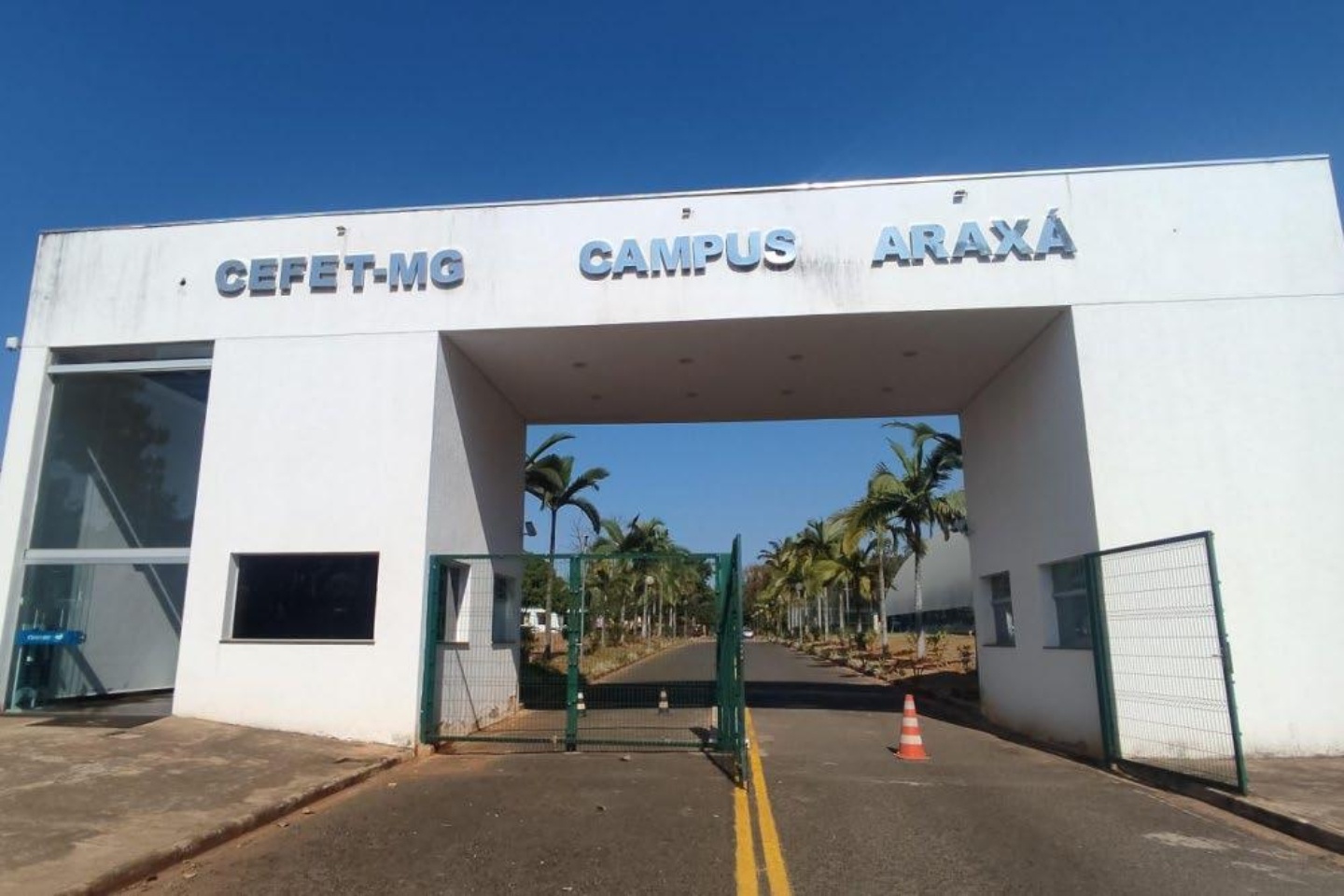
St George Mining (ASX: SGQ) has delivered a series of record breaking drill results at its Araxá project in Brazil, belting its latest rare earths and niobium assays clean out of the park. The company described the results as the “most spectacular drill results to date” which included a 207m intersection grading 2.6 per cent total rare earths oxides (TREO).
The latest analytical results were delivered from 37 diamond holes and included a series of thick, high-grade mineralised intercepts from surface, headlined by the company-record making 207m strike. That headline intercept also included 0.30 per cent of the highly-sought after niobium pentoxide.
However, on a simple grade-times-width comparative index basis, the top TREO hit in the batch came from another hole which returned 135.1m assaying 4.86 per cent TREO, including 69m going 7.33 per cent TREO from surface with 20m at 12.65 per cent TREO inside that, also from surface.
That hole was supported by another world class result which yielded 150.5m at 3.66 per cent TREO from surface, including 67m going 5.46 per cent TREO from surface.
The latest drill results are arguably the best results so far in our drill campaign – including a new record thick intercept from surface of 207m. The multiple thick intercepts from surface – many more than 150m thick – speak to the large volume of high-grade mineralisation at Araxá. What is probably even more exciting is the very high-grade mineralisation near-surface. This is the material that will be mined in the initial years of a potential open-pit operation St George Mining Executive Chairman John Prineas
Those top line results were also well supported by a series of other exceptional returns including one 150.2m section at 3.49 per cent TREO from surface, containing a core 104m slice at 4.25 per cent TREO from surface. Other notable results include a 100.6m hit at 4.39 per cent TREO, with two inclusions comprising 25.2m at 6.21 per cent TREO from surface and 34.4m going 5.38 per cent TREO from 30.1m.
In short, the rare earths suite shows St George is clearly not leaning on a single hero hole. The latest batch of results has delivered not only astonishing scale and grade, but also important consistency from surface, with the best holes combining long runs of mineralisation with grades comfortably above the Araxá project’s 4.06 per cent TREO resource average.
The latest work adds fresh weight to St George’s view that Araxá can support a simple open-pit development, with the company saying the mineralisation sits in the weathered profile and is readily accessible from surface.
The company’s Noosa Mining Conference presentation in July also framed Araxá as a world-class rare earths and niobium opportunity in Minas Gerais where existing roads, rail, power and an experienced mining workforce are already nearby.
A little further down the commodity stack, the still-important niobium numbers also came in strongly. The best broad niobium pentoxide intercepts by grade-times-width were 150.2m at 0.72 per cent niobium pentoxide, coincident with the previously-referred TREO hit.
Another intercept of 150.5m at 0.70 per cent niobium pentoxide also coincided with the second best TREO hit, above. The company has also highlighted the top TREO hole as delivering a coincident run of 135.1m going 0.64 per cent niobium pentoxide from surface.
Notably, other significant niobium pentoxide intercepts included 90.3m grading 0.71 per cent and 101m grading 0.61 per cent.
St George says the new assays will feed into an updated mineral resource estimate slated for this quarter. The current Araxá resource already stands at 70.91 million tonnes at 4.06 per cent TREO, with an associated total niobium inventory of 95.47Mt of niobium pentoxide-bearing material when additional niobium blocks are included.
Out of the resource’s 4.06 per cent total rare earths, 19 per cent of the mineralisation consists of the high-value magnet rare earth oxides (MREO) component of neodymium, praseodymium, dysprosium and terbium. That 19 per cent distribution positions Araxá competitively against major global peers, sitting higher than MP Materials' Mountain Pass rare earths deposit in California with its 16.3 per cent MREO:TREO ratio.
St George’s NdPr component makes up the majority of the project's magnet rare earths suite. While the average NdPr ratio in the resources sits at 19 per cent, ongoing exploration in peripheral and deeper target zones has continued to hit near-surface intercepts with localized NdPr : TREO ratios even reaching up to 42 per cent.
Management says six of the latest holes were drilled outside the current resource, extending the known mineralised footprint by as much as 140m to the north, while 13 holes hit high-grade mineralisation below the floor of the current resource model.
With resource work due in coming weeks and economic studies expected later this year, St George has given the market another credible reminder that Araxá is by no means a one-trick pony.
Araxá offers that rare combination rare earths hunters the world over are seeking to get their hands on - thick near-surface mineralisation, a substantial TREO resource, a strong MREO component, high NdPr ratios in places and a solid niobium endowment. This is the kind of mix that keeps mine planners keenly interested and keeps the market watching for St George’s next run of results.
Is your ASX-listed company doing something interesting? Contact: office@bullsnbears.com.au


