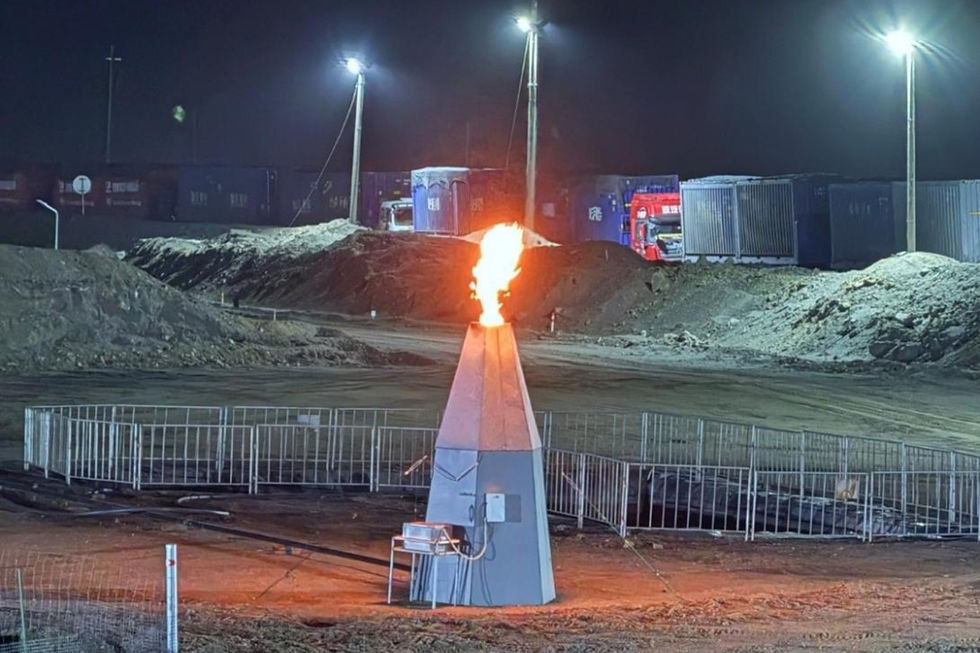
Mongolian gas flows surge as TMK Energy field comes alive

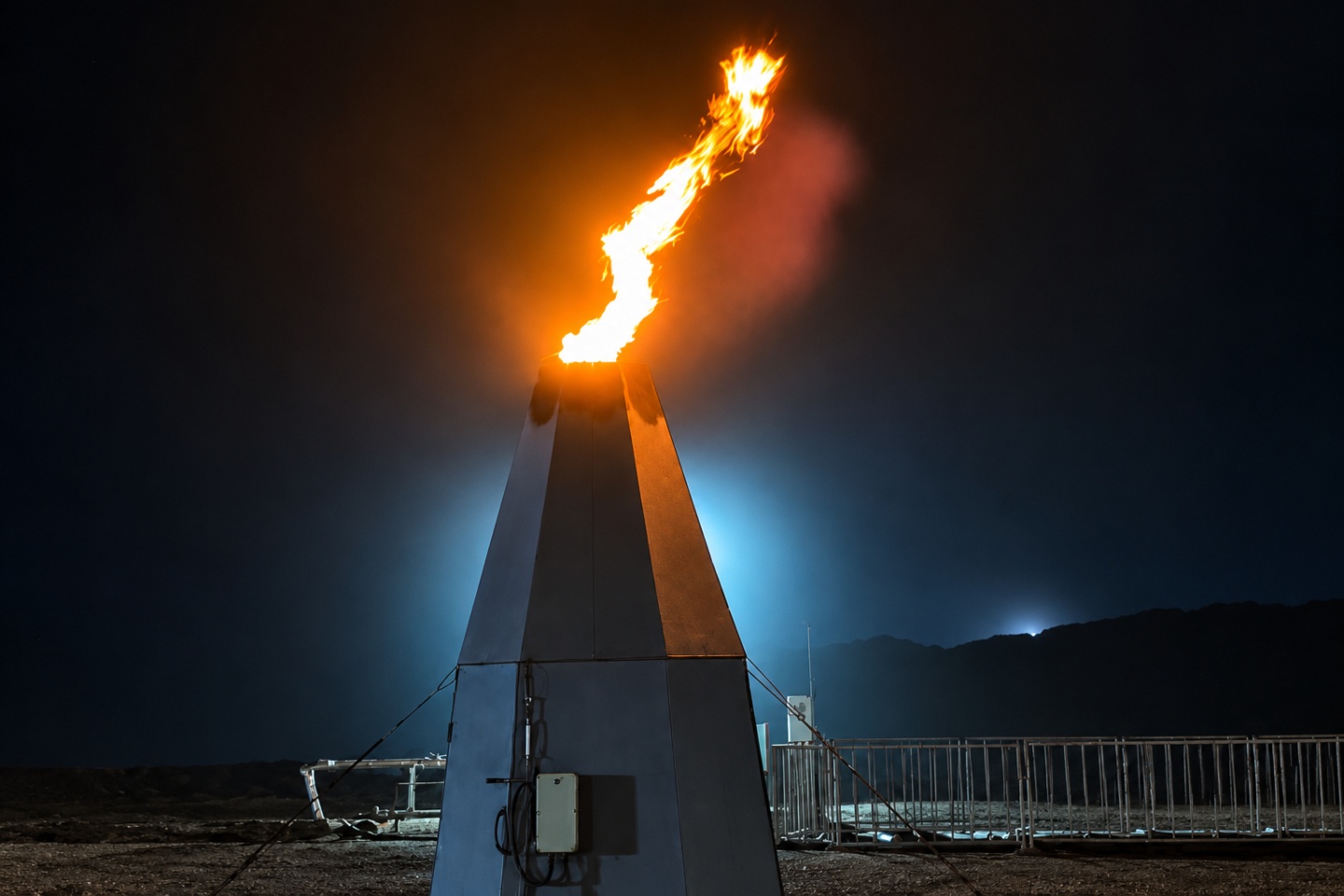
TMK Energy (ASX: TMK) has chalked up another production milestone at its 100 per cent-owned Gurvantes XXXV coal seam gas (CSG) project in Mongolia, with flows showing an 11 per cent increase on August’s daily average and continuing to build across its production pilot.
Average gas production over the past week surged to more than 900 cubic metres per day, or 32,000 standard cubic feet per day (scfd). Gas rates have now climbed more than 350 per cent during the past 12 months.
More significantly, three wells across TMK’s seven-well pilot, in addition to the company's standout LF-07 well, are now pumping at record highs. The company says the improved performance points to growing gas desorption across the entire field, strengthening the case that the production uplift is spreading well beyond its best-performing well.
For CSG, the progression matters. Pumping water from the coal seams lowers reservoir pressure until methane detaches from the coal and begins flowing. TMK’s pilot has previously shown the combination reservoir engineers want to see – sustained water production, falling pressure and rising gas rates – while pressure communication between wells suggested they were interacting through the reservoir rather than behaving as isolated pockets.
That feeds directly into Gurvantes’ enduring technical question: repeatability. LF-07 became TMK’s benchmark after improved drilling, completion and pump settings delivered a stronger response. The commercial test is whether those lessons can be translated across enough wells to deliver predictable gas volumes over time.
The latest results move that test forward, with management saying the continuing month-on-month production rise strongly indicates the pilot will reach the minimum commercial flow rates required to support full-field development.
The company describes Gurvantes as the most successful operating CSG pilot well project in Mongolia, with the new production breakthrough pushing the project another step along its development path.
With yet another material, but sustained bump in gas production rates at the Pilot Well Project over the last week, our confidence in the commercial potential of the enormous Gurvantes XXXV Coal Seam Gas Project continues to grow. TMK Energy CEO Dougal Ferguson
TMK’s growing confidence is about to face another test, as the company prepares to roll out a drilling and re-completion campaign as part of its broader 2026 work program. Earlier updates outlined one new production well using an optimised design based on lessons from LF-07, alongside re-completions of LF-02, LF-03 and LF-06. Two of those wells are among the three setting records.
Another key 2026 deliverable is the proposed 1-megawatt gas-to-power project with local partner Dashvaanjil Group, designed to turn pilot gas into electricity and provide an early commercial outlet. Management says the staged approach will allow TMK to prove up its customer and operating model using modest volumes before committing to a bigger field build-out.
The company's top brass are in Mongolia this week, talking turkey with regulators to shift Gurvantes’ discovered 2C contingent resource into the reserves column and ultimately secure an exploitation licence. Earlier planning had flagged additional production data and a reserves assessment as part of that pathway.
Beyond the licence, full-field development would still require higher sustainable gas rates, development engineering and economics, infrastructure and financing. Gurvantes has a head start from its established South Gobi setting, although a larger operation would still require gas gathering, compression and treatment infrastructure, with pipelines potentially joining the shopping list depending on the final development model.
Together, the work program, gas-to-power project and reserves pathway are intended to tee up expanded appraisal drilling in 2027 and a wider field build-out.
The prize has scale. Gurvantes hosts an independently certified 1.2 trillion cubic feet of gas (Tcf) concentrated within just 60 square kilometres of TMK’s sprawling 8400sq km South Gobi tenure. Management says its 2C resource is the largest of its kind in Mongolia.
Potential demand also lies on its doorstep. The surrounding mining district already has roads, contractors and major industrial power users, while Mongolia’s constrained power system provides an identifiable domestic use for flexible gas-fired generation.
One strong well can prove a concept; multiple wells doing the same thing speaks volumes. TMK has added compelling evidence that Gurvantes could make the leap to a broader field, with drilling, reserves work and early commercialisation laying the foundations for development.
Is your ASX-listed company doing something interesting? Contact: office@bullsnbears.com.au