Mount Ridley Mines builds patent fortress around metals recovery tech

Mount Ridley Mines (ASX: MRD) has lodged a second provisional patent application for a variant of its proprietary Selectro hydrometallurgical process, this time targeting metals from industrial feedstocks such as bauxite.
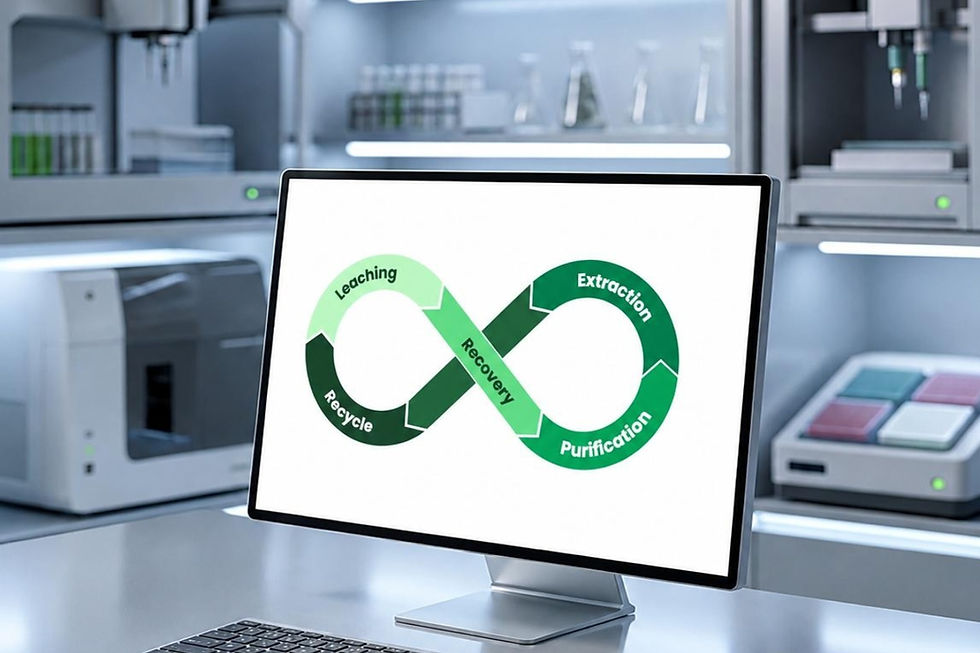
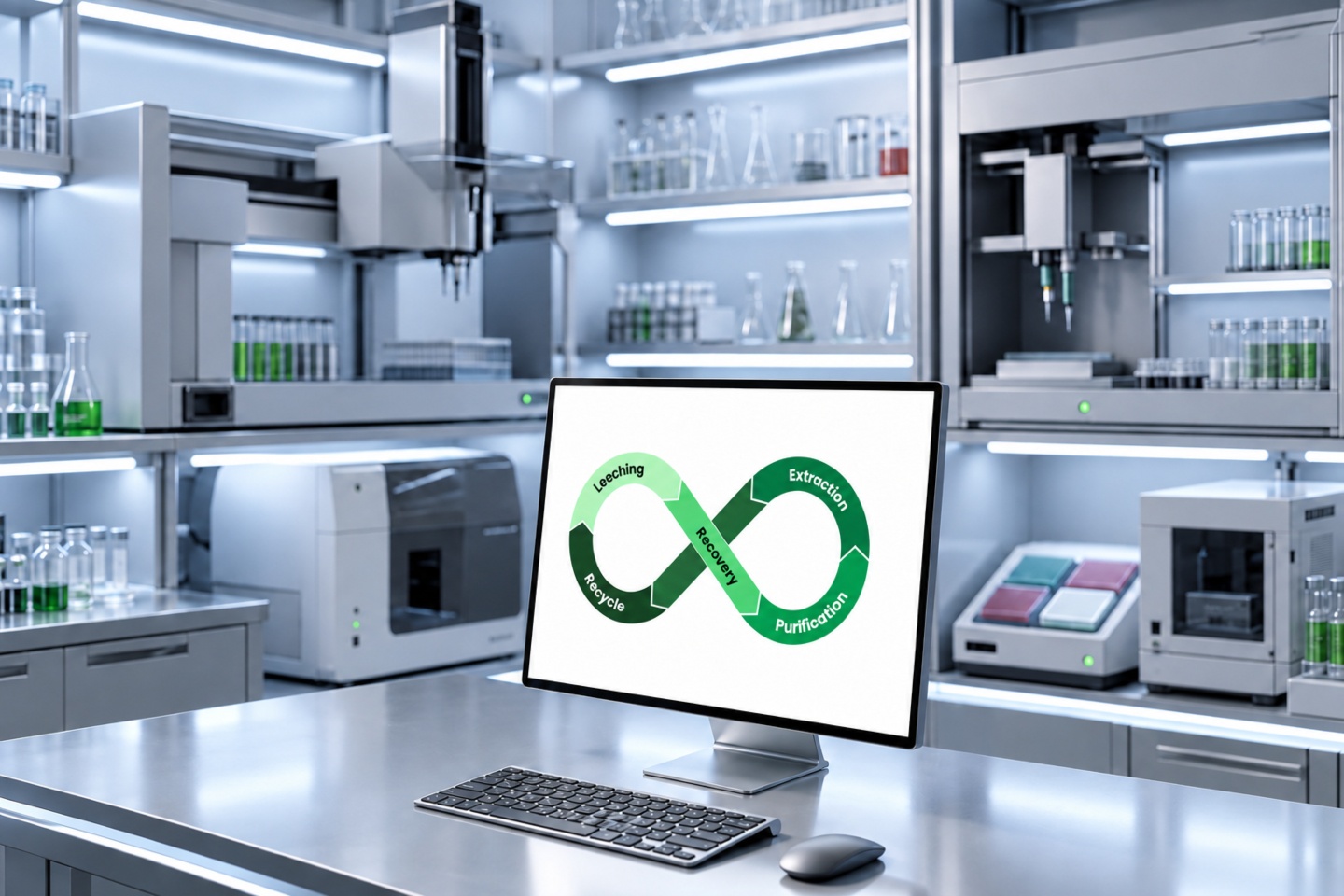
The new filing builds on Mount Ridley’s original application, lodged in August. The company describes Selectro as a closed-loop process that separates and purifies metal streams, then recycles the reagents. It was developed to recover scandium, rare earth elements and gallium from clay-hosted feed at the company’s Grass Patch critical minerals project near Esperance in Western Australia.
In a shrewd commercial move, Mount Ridley has kept the two patent applications separate, giving each its own path to market and opening the door to potential licensing deals and partnerships without tying up the technology underpinning its flagship Grass Patch project.
Mount Ridley Tech, the company’s wholly owned subsidiary, lodged the new application with IP Australia, the federal agency that administers patents, on 15 October. It protects an adapted version of Selectro, with a reagent molecule tuned to suit the different mineralogy and metal suite in industrial feedstocks.
The bauxite test was the first outside Grass Patch and the first under Mount Ridley’s third-party testing program.ALS Limited tested a composite sample from Australian Silica Quartz Group’s Darling Range bauxite project in Western Australia, recovering 92 per cent of the aluminium and 97 per cent of the iron. Better still, the company achieved these recoveries before it even began fine-tuning its chemistry specifically for bauxite.
The Selectro process also left more than 90 per cent of the silica locked in a small, pH-neutral residue, potentially offering a cleaner alternative to the troublesome red mud generated by conventional alumina refining. With the aluminium and iron drawn into solution, the technology could eventually turn another processing headache into a commercial opportunity by recovering the iron as a saleable oxide product.
Bauxite is the world’s main source of gallium, typically recovered as a by-product of alumina refining. Results for gallium in the leach solution are pending and require a separate, more sensitive assay method. The prize is to recover every valuable metal in bauxite, including aluminium, iron, gallium and titanium, leaving no value behind in the residue. Further optimisation and testwork will show how close Selectro can come to that goal.
We have taken steps to protect this second application of the Selectro™ chemistry, which is a prudent measure given the results in its first test on bauxite have increased our confidence in the broader applicability of Selectro. Mount Ridley Mines Managing Director and CEO Allister Caird
Next steps include reporting the gallium results, optimising the adapted chemistry for bauxite, continuing bauxite testwork and testing Selectro on further third-party feedstocks. The company also plans to advance both patent applications towards international filing under the Patent Cooperation Treaty.
Gallium’s role in semiconductors and Australia’s proposed $1.2 billion Critical Minerals Strategic Reserve have put the metal firmly in the national spotlight, with the reserve initially targeting gallium, antimony and rare earths. China, the world’s dominant supplier, recently imposed export controls on gallium, exposing the risks of relying on a concentrated supply chain for a metal critical to advanced electronics.
While the industrial metals application is a new front, the original Selectro process was developed for the polymetallic deposit at Mount Ridley’s flagship Grass Patch project. There, the companyhas already chalked up impressive results, recovering up to 91.8 per cent of the scandium, an average 84 per cent of the heavy rare earths and 77 per cent of the light rare earths, while gallium recoveries have reached as high as 57 per cent.
The project hosts an inferred 946-million-tonne scandium resource, 122.5 million tonnes of rare earth-bearing material and an 838.7-million-tonne gallium resource grading 29.3 parts per million, all in a shallow, clay-rich weathering profile. It lies 25km north of Esperance, close to the deep-water port.
By developing a processing technology that could unlock value from its own massive resource and adapt to other industrial feedstocks, Mount Ridley appears to be playing the long game. With one patent protecting its home ground and another taking the chemistry into a new industrial arena, the company is building a strategy that goes well beyond just digging up dirt.
Is your ASX-listed company doing something interesting? Contact: office@bullsnbears.com.au