Mount Ridley Mines lands CSIRO backing to unlock scandium upside

Mount Ridley Mines (ASX: MRD) has secured $50,000 in CSIRO co-funding for a $104,000 venture to unlock higher-value uses for scandium from its Grass Patch project in Western Australia.
Management says the company is looking into far more than a simple mining development, setting its sights on moving further up the critical minerals value chain into advanced materials.
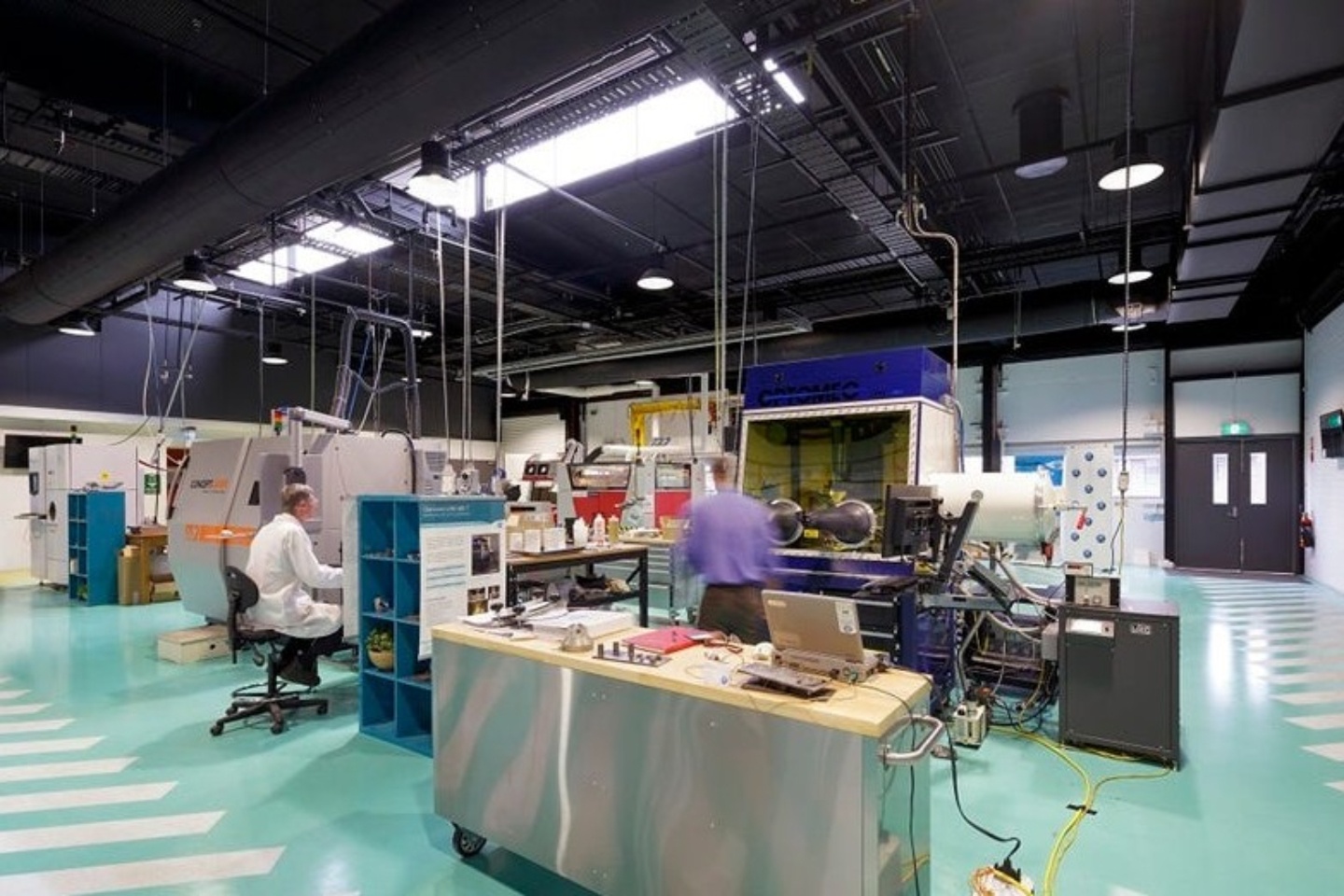
Work is expected to begin shortly at CSIRO's Lab22 research facility, which specialises in critical minerals and metallic additive manufacturing. Stage one is designed to lay the groundwork before a second stage focuses on developing scandium alloys for industrial 3D printing, a process of building metal components layer by layer from digital designs.
The collaboration forms part of Mount Ridley's strategy of creating higher-value products from its critical minerals through metallurgical work and technical partnerships. Rather than simply selling a raw mineral concentrate, the company is looking to capture more of the value chain by participating in lucrative aerospace, defence and robotics supply chains.
Lab22 was selected for its expertise, which spans the entire pathway from alloy design to industrial 3D printing, making it well suited to Mount Ridley's strategy.
Researchers at the facility will be tasked with reviewing the global patent landscape, identifying suppliers of scandium metal, powders and wire before assessing the most promising commercial applications. It will also look into the best new emerging extraction, processing and refining technologies.
The work will culminate in a report owned by Mount Ridley that identifies proprietary alloy opportunities, potentially opening the door to strategic partnerships and licensing deals.
We have a strong belief that scandium will play a major role in rapidly scaling industries such as aerospace, robotics and defence for which no suitable substitute exists in high performance alloy applications. Our scandium resource is one of the largest in the world and we intend to do more with it than put it in a resource estimate. Mount Ridley Mines Managing Director and CEO Allister Caird
The company's wholly owned flagship Grass Patch project sits 25km north of the deep-water Port of Esperance, giving it a strategic logistical advantage for future development, export and downstream processing opportunities.
A weathered blanket of clay-rich rock and soil known as regolith sits above fresh bedrock. Within it, scandium, heavy rare earth elements and gallium occur together as three independently defined, world-class critical mineral assets. Mount Ridley believes this rare geological combination could ultimately enable the recovery of multiple critical minerals from the same material.
Historic metallurgical test work has also demonstrated encouraging processing characteristics across the clay-rich mineralised system. Simple screening has boosted rare earth grades by up to 200 per cent and delivered recoveries of heavy rare earth elements up to 86.5 per cent.
More than 70,000m of historical drilling has been completed across Grass Patch, yet only a subset has been assayed for scandium. With about 80 per cent of the project area still untested, a re-assay program is underway to help expand the resource.
Even so, Grass Patch already hosts one of the world's largest known JORC-inferred scandium resources, with 367.98 million tonnes grading 57.2 parts per million (ppm) scandium, for 18,555 tonnes of contained metal.
Management believes the sheer scale of the resource justifies getting the technology right before rushing into production. The bigger prize may lie beyond simply selling scandium, with higher-value processing routes and products capable of stimulating demand while helping establish an Australian scandium supply chain.
If the CSIRO partnership ultimately leads to proprietary alloy technologies or licensing opportunities, today's modest research grant could prove to be the first step in building something far more valuable than another mineral resource.
Is your ASX-listed company doing something interesting? Contact: office@bullsnbears.com.au


