TMK Energy fires up Mongolian gas-to-power push with LPG giant Dashvaanjil
- Penny Taylor

- 3 hours ago
- 3 min read
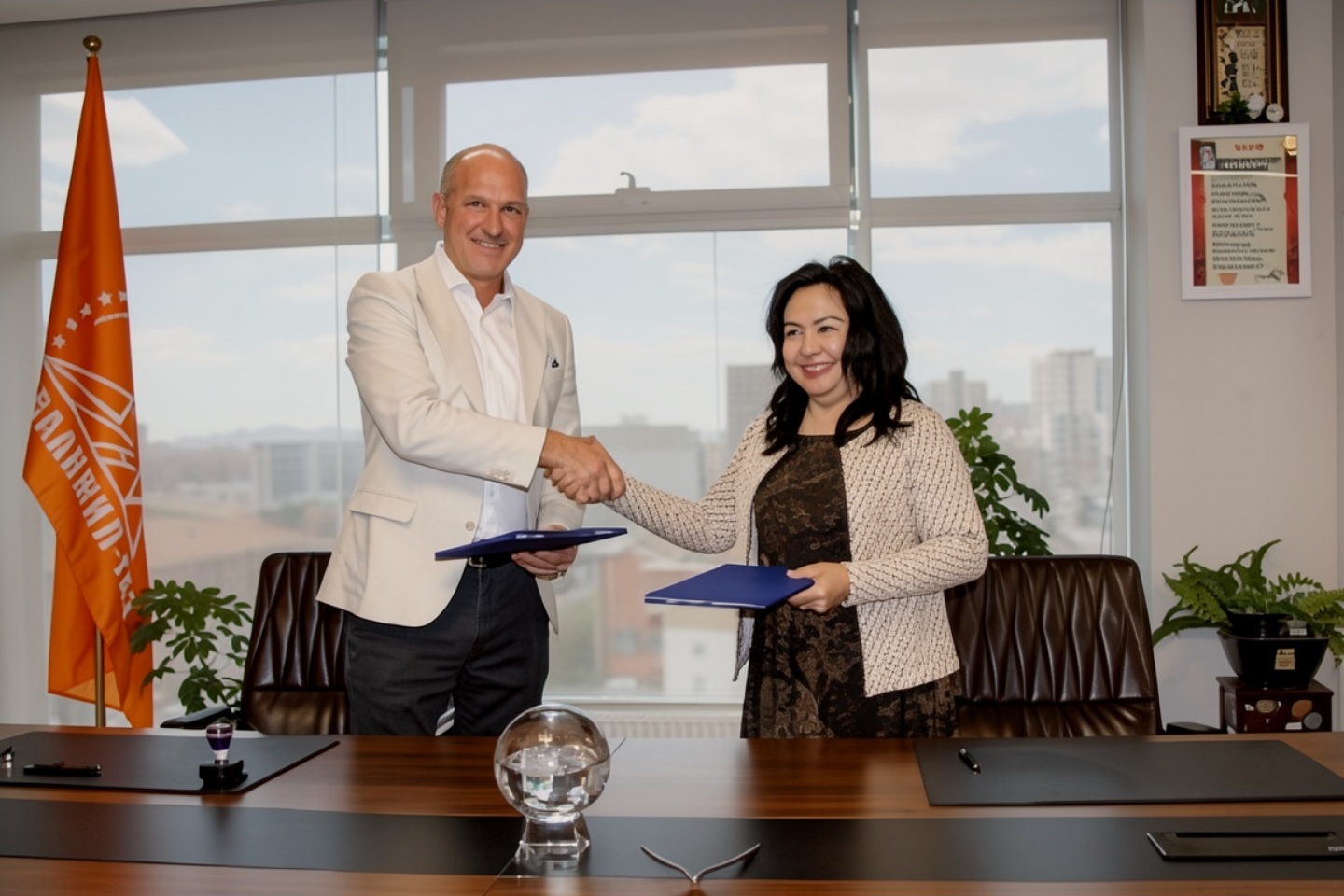
TMK Energy (ASX: TMK) has flicked the switch on a new phase of its Mongolian gas push, signing a partnering agreement with the country’s biggest LPG distributor to build its first gas-to-power project and edge closer to commercial gas sales from its sprawling Gurvantes XXXV coal seam gas project.
The company’s flagship coal seam gas asset spans 8,400 square kilometres in Mongolia’s South Gobi Basin, less than 20 kilometres from the Chinese border and close to established northern Chinese gas infrastructure. The basin-scale Gurvantes XXXV project hosts thick bituminous coal seams stretching more than 150 kilometres across strike and holds a 1.2 trillion cubic feet of gas (Tcf) contingent resource.
The company has struck a memorandum of understanding with Dashvaanjil Group LLC to develop an initial 1-megawatt modular power plant beside the Gurvantes XXXV pilot project. The plant will run on gas already flowing from TMK’s pilot wells and be backed by Dashvaanjil’s LPG supply as a dual-fuel setup during the ramp-up phase.
Engineering and design work has already kicked off, with Dashvaanjil undertaking downstream engineering studies at its own cost and risk while TMK handles upstream field integration, gas gathering and field works. Produced gas from the pilot wells will be commingled into a central collection point where it can be conditioned if required before feeding the gas-fired power unit.
The companies are targeting completion of engineering by the end of the June quarter next year, with commissioning and first power generation slated for the end of the September quarter. Following the engineering phase, the parties can elect to move into formal commercial framework agreements that will define the detailed commercial structure and investment returns for each side.
TMK says Dashvaanjil brings a strong operational safety culture, deep infrastructure reach and technical expertise to the project, positioning the partnership as a fast and cost-effective proof-of-concept step towards future commercial gas sales.
The power plant will initially provide the company with a reliable long-term electricity source for its pilot operations, reducing reliance on intermittent regional grid supply. The setup will also be backed by Dashvaanjil’s LPG supply and TMK’s existing grid connection to help secure uninterrupted field operations as gas production continues to build.
Notably, the project has been designed as a scalable platform rather than a standalone pilot. Excess electricity generated beyond TMK’s operational needs is expected to be sold to local industrial customers, likely nearby coal mining operations in the South Gobi region, where energy demand continues to rise.
The Power Project will be designed to provide TMK with a reliable long-term power solution for its Pilot Well Project, while also demonstrating the broader potential for natural gas to contribute to other domestic energy users. TMK Energy CEO Dougal Ferguson
The agreement follows TMK’s recent push to accelerate beneficial gas use initiatives after securing regulatory support to use pilot gas for on-site power generation.
Operational momentum also continues building across the field. Seven pilot wells are now producing gas, with the company recently reporting April output had climbed to 663 cubic metres per day, the project’s second-highest monthly production rate to date, as management steadily ramps up reservoir dewatering and pilot production activities.
Recent reservoir work has also confirmed pressure communication between wells, supporting TMK’s broader reservoir connectivity model and strengthening confidence in scalability. The company is preparing to drill additional pilot wells later this year as it advances farm-out discussions aimed at bringing in strategic partners across upstream, midstream and downstream infrastructure.
Mongolia’s broader energy backdrop appears increasingly supportive. The country remains heavily dependent on coal-fired power and imported electricity from China, while industrial expansion across the South Gobi continues lifting demand for stable domestic energy supplies.
With flare stacks now flickering across the South Gobi pilot wells, TMK’s story is shifting from proving up gas resources to building a practical, scalable and potentially pivotal domestic power play for Mongolia’s energy future.
Is your ASX-listed company doing something interesting? Contact: office@bullsnbears.com.au